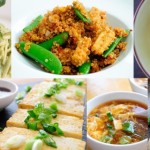
7 Easy Recipes for Tofu Tofu has come a long, long way from the days when most people thought it was a food relegated only to health obsessed hippies. Newer to the West, tofu has been a staple in Asian cuisine for 2000 years. Made…
[Read More]
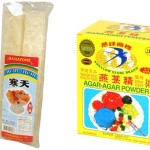
What is Agar-agar? Agar-agar is a gelatinous substance derived from specific species of algae. It is also known as Kanten (from its Japanese derivative as agar-agar was supposedly discovered in 17th Century Japan). What allows agar-agar to have its gelling abilities is a polysaccharide from…
[Read More]
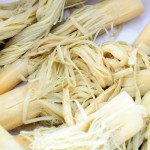
There are a variety of bamboo species harvested for human consumption, each of which boasts different sizes, textures, colors and flavors. Bamboo is lauded for its high fiber content, protein and Vitamin B6. It is extremely popular throughout Asian cuisine, though different regions use the…
[Read More]
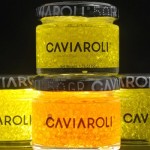
Caviaroli- Elevate Home Cooking Ever since the Godfather of molecular gastronomy (Ferran Adria) changed the culinary world years ago, I’ve been a fan of this sector of gourmet cuisine in certain doses. The genius and technical skills it takes to create masterpieces of molecular gastronomy…
[Read More]
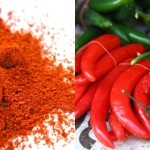
Southeast Asian, Korean, Indian and Szechuan cooking all share an intense passion for spicy food. One of the most popular and widely used ingredients to create this spiciness is bird’s eye chili peppers. These peppers are typically harvested when they are about one inch long…
[Read More]
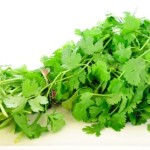
Cilantro a.k.a Coriander- The Love It or Hate It Herb Fresh Coriander Leaves (Cilantro): Native to southern Asia, fresh coriander leaves, commonly known as cilantro and Chinese parsley, is used as an important garnish to Asian salads and soups. Cilantro has a subtle citrusy flavor…
[Read More]
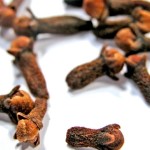
Cloves Cloves are native to the Maluku islands of Indonesia, though are currently produced and exported by Indonesia, Sri Lanka, India and Madagascar. Of the evergreen tree family, cloves are the tree’s dried flower buds, used in Asian cooking and western desserts. Cloves possess a…
[Read More]
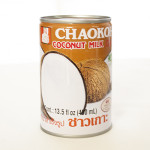
Coconut Milk Coconut milk is used in all types of Asian cooking, mainly in curries, soups and desserts. All over Asia and particularly in Indonesia, Thailand, Malaysia and Singapore, little old ladies are found in dimly lit kitchens grating fresh coconut meat into large…
[Read More]
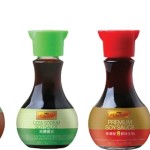
Common Types of Soy Sauce- The Most Widely Used Asian Ingredient Regular Soy Sauce: A very familiar product in the West, regular soy sauce has become a staple in most American supermarkets. Used frequently in Asian cooking, regular soy sauce is a necessary staple in…
[Read More]
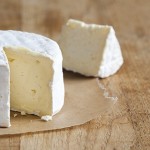
Cowgirl Creamery- One of the best cheese in America Cheese- that diabolical dairy decadence that drives us serious foodies to have food porn dreams about. It’s a snack; it’s a beginning to a meal; it’s an end to a meal; it’s in a class all…
[Read More]
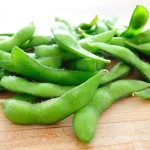
Edamame Historically, the Edamame we know today can be traced back to 13th century Japan, when monks gave this highly nutritious vegetable as gifts, blanching whole soy bean pods and lightly sprinkling with salt. Soybeans themselves were cultivated in China though, over two thousand years…
[Read More]
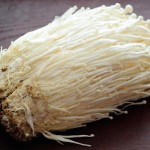
Native to China, Japan and Korea, Enoki mushroom are typically long and thin with tiny caps on one end. There are several varieties, the most widely known being that of the off-white, light brown and golden colors. Originally grown on Enoki or Chinese Hackberry trees,…
[Read More]
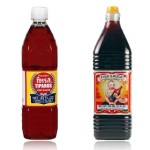
One of the most popular and widely used condiments across Southeast Asia, fish sauce is typically produced from allowing dried small fish such as anchovies to ferment. Salt and anchovies are laid out in large wooden crates or boxes to ferment before later adding water.…
[Read More]
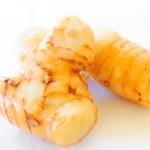
Galangal In the same family as the ginger root, Galangal is often confused with ginger or turmeric due to similar exteriors. Galangal features the lightest skin amongst the root family, though unlike ginger, it typically has darker, thin brown rings along its root. On the…
[Read More]
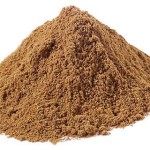
Garam Masala Garam Masala is the most widely used blend of herbs and spices used in Indian and Pakistani cooking. Exact ingredients and blends vary quite a bit from one region to another but typically, Garam Masala includes cloves, peppercorns, star anise, coriander, nutmeg, cumin,…
[Read More]
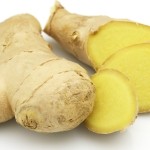
Ginger Ginger root finds it origins in Asia and has a vital role in Asian cuisine. Similar to Turmeric in exterior, Ginger is a hard root with light to medium brown skin. Its flesh is typically a light golden brown color when at its peak…
[Read More]
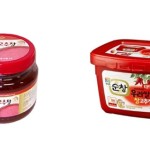
Gochujang Korean Chili Paste Gochujang is a thick, deep red chili paste from Korea. Pungent from the fermented soybeans, Gochujang is also salty, somewhat sweet depending on the manufacturer and has varying degrees of spiciness. This paste is an indispensable ingredient in Korean kitchens, serving…
[Read More]
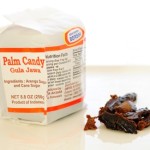
Gula Jawa Gula Jawa, also known as Gula Merah, or red sugar, is one of the most severely misinterpreted ingredients in the West. This is a dense sugar derived from the Palmyra Palm but is extremely different from palm sugars typically sold in Western markets.…
[Read More]
Harmless Harvest- The Best Coconut Water in America Most people who know me know I’m obsessed with coconut water and no, my obsession didn’t arise with the recent popular trend in America. I am after all, from Asia and since childhood have been drinking coconut…
[Read More]
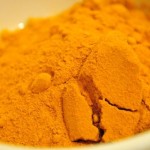
Here’s Everything You Need To Know About Turmeric Part of the Ginger family, Turmeric is a root with a light to medium colored brown skin and a rich yellow-orange inside. This is one of the most widely used ingredients in Asian curries and soups. Turmeric…
[Read More]
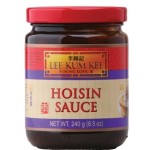
Hoisin Sauce Hoisin, a globally popular Chinese sauce, translates literally in Cantonese to “seafood,” though there is in fact no seafood products that go into its production. Traditionally made from sweet potato, soybeans, sugar, salt, garlic, red chili peppers, vinegar, water and certain types of…
[Read More]
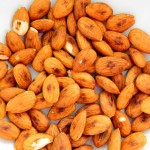
How To Roast Almonds Almonds are a huge source of nutrients and are incredibly versatile. They can be used in smoothies, as a snack on their own or crushed into smooth particles that are great for crusting fish or poultry. Sometimes, all you can find…
[Read More]
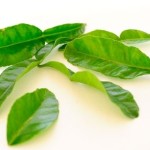
Kafir Lime Leaves Taken from the leaves of the Kafir Lime, these vibrant green leaves add an unmistakably fresh aroma to Southeast Asian cuisine. Used in many soups, salads and stir-fries, Kafir Lime Leaves are unique and impossible to substitute. The actual limes are tiny,…
[Read More]
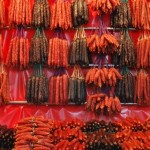
Lap Cheong is a fatty pork sausage originating from China. It has a distinctively sweet and smoky flavor, imparted from the typical addition of sugar, rose water, salt and rice wine. Sold in nearly every Asian market across the globe, Lap Cheong features a deep,…
[Read More]
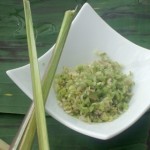
Lemongrass In recent years, lemongrass has become much more widely available in the western hemisphere, allowing for the creation of more authentic Asian dishes. In western supermarkets, lemongrass is usually available in the produce section in an already finely minced paste sold in plastic tubes.…
[Read More]
A common and easy to find ingredient, limes are a staple in Asian cuisine, used in the cooking process as well as in food presentations as a garnish. Bursting with freshness, limes exert a tangy bite, a welcome addition to heavier dishes or hot soups.…
[Read More]
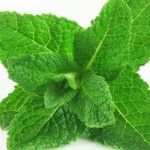
Mint- One Of The Most Powerful Healing Herbs The origins of mint are widely debated, made all the more complicated by the many species that are similar and naturally hybridize. Currently, mint grows throughout the world, though it thrives in cooler, damp regions. The mint…
[Read More]
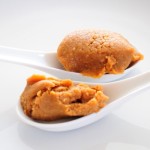
Miso Paste- Commonly Used Japanese Ingredients Miso paste is a traditional Japanese ingredient, made from a combination of many other ingredients including, rice, soybeans, barley, rye and hemp seed. While Miso has been produced in Japan as early as 10,000 B.C., contrary to popular belief,…
[Read More]
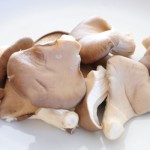
Oyster Mushroom Oyster Mushroom’s origins are arguable given their easy cultivation across numerous geographic regions, though they grow best in temperate areas. These should not be confused with another similar species now commonly sold as King Oyster mushrooms that share the coloring of oyster mushroom…
[Read More]

Pandan Pandan, or commonly referred to as Pandan leaves, is a tropical plant native to Southeast Asia. Now rare in the wild but commonly grown for culinary purposes, Pandan is a vibrant green plant with fanning leaves that look like blades. Used all over Asia…
[Read More]
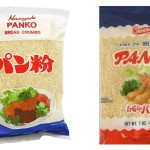
Panko Bread Crumbs Panko is a type of bread crumb originating in Japan and features a much flakier, crispier texture than regular Western bread crumbs. While its use was primarily in famous Japanese dishes such as tonkatsu and certain types of tempura, recent years have…
[Read More]
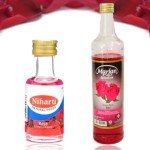
Rose Syrup Rose Syrup is an ingredient used in certain Asian countries, predominantly Indonesia, Singapore, Malaysia and India to flavor and color desserts and beverages. With no remotely similar products anywhere in the world, its presence in recipes cannot be replaced. Each country has its…
[Read More]
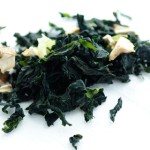
Seaweed is a type of marine algae used in Chinese, Japanese and Korean cooking since millennia ago. There are many types of seaweed cultivated across Asia and Europe, the final products of which are most commonly used in sushi, soups and agar. Agar is a…
[Read More]
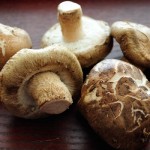
Shiitake Mushroom Shiitake mushroom, also known as Chinese Black Mushroom and Black Forest Mushroom, is native to east Asia, particularly China, Japan and Korea. Though its modern globally known name is taken from Japan, contrary to popular belief, this mushroom is not native only to…
[Read More]
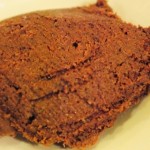
These days it seems that every Southeast Asian nation has produced its own version of dried shrimp paste, each with an individual texture, odor and flavor. In general, they can be interchanged in recipes, though it is of course best to use the version pertinent…
[Read More]
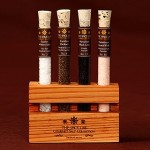
Spice Lab Salts- Gourmet Salts & Spices Whether you’re a seasoned home cook verging on brilliant Master Chef status or a once-in-a-while experimental home cook, the easiest and fastest way to elevate any at-home meal is by incorporating gourmet salts. We all know that food is nothing without the…
[Read More]
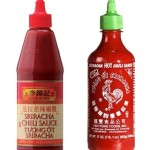
Sriracha Chili Sauce Originally named after the town of Si Racha in Chonburi province of Thailand, Sriracha chili sauce has become somewhat of an iconic condiment, spawning a variety of fan-based and comedic websites lauding its multi-use virtues. While the original Thai versions of Sriracha…
[Read More]
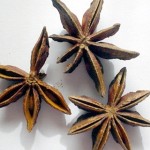
Star Anise Star Anise, not to be confused with simply Anise, is a spice derived from an evergreen tree native to regions of China and Vietnam. They are easily recognizable with their star shape and chocolate brown hue. Widely used in Asian cooking, Star Anise…
[Read More]
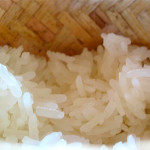
Sticky Rice Sticky rice, also known as glutinous rice or sweet rice is an extremely popular type of rice eaten all over Asia, particularly for desserts. Often misconstrued to contain gluten due to its nickname of glutinous rice, sticky rice does not in fact, contain…
[Read More]
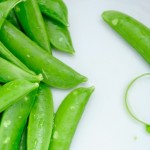
Not to be confused with snow peas, sugar snap peas, also known as just snap peas, is a fuller bodied pod vegetable highly popular in Chinese cuisine. Unlike the thin, flat snow pea, sugar snap peas have a thicker, voluminous body with more pronounced ends.…
[Read More]
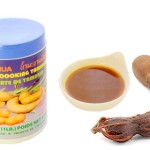
Tamarind Southeast Asian cuisine uses different types of tamarind in many dishes, primarily in soups. Back in the day and even still now in remote villages in Asia, fresh tamarind is still used to create the most deliciously piquant dishes, soups and stews. High in…
[Read More]
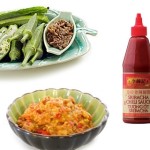
Types of Asian Chili Sauces & Chili Pastes Nam Jim Most Asian countries have a great passion for condiments and dipping sauces. Thailand is no exception. Nam Pla is one of Thailand’s most popular and widely used chili pastes that boldly blend together fish sauce,…
[Read More]
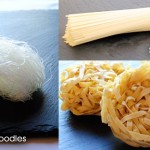
Types of Asian Noodles There are seemingly an infinite number of noodle varieties in Asia; no surprise given our obsession with the delicious spindly things. Here we’re outlining a few of the common and popular ones available outside of Asia. Egg Noodles (aka Chinese Yellow…
[Read More]
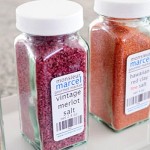
Why Sea Salts Are a Staple of Top Chefs Like much else in the gourmet culinary world of modern generations, sea salts sold in pretty packages with all types of fancy monikers are not an absolute necessity in creating authentic, spectacular dishes at home. They…
[Read More]
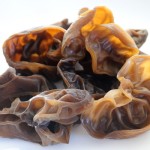
Also known as cloud ear mushroom, elephant’s ear mushroom and black fungus mushroom, Woodear mushroom grows on dead trees in masses of clusters. It has a dark brown to blackish hue but is also slightly translucent. Popular in Asian cuisine, woodear mushroom has a drastically…
[Read More]
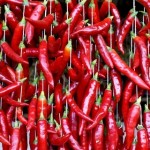
The World’s Hottest Chili Peppers I remember the first time I ate a spicy dish when I was about seven years old. It was by accident as my parents didn’t see me reaching for the chili sauce hidden near my bowl of noodle soup. When…
[Read More]
 Welcome to Food, Travel & Life with The Asian Fusion Girl. Learn more about the AF Girl and her various projects
here.
Welcome to Food, Travel & Life with The Asian Fusion Girl. Learn more about the AF Girl and her various projects
here.